



Ongoing Initiatives
Learning by Nature
As a founding member of the BC Parks Foundation’s Learning by Nature initiative, VSB has been working towards increasing biodiversity on school grounds. The BC Parks Foundation has provided funding towards small student- and teacher-led projects (valued under $3,000), as well as larger “nature parks” on VSB grounds dedicated for outdoor learning. The first two nature parks are located at Sir Wilfred Grenfell Elementary and David Lloyd George Elementary.
In collaboration with the grounds department and schools, the Sustainability team will continue to identify other VSB sites that are opportunities for similar nature park installations (priority factors include but are not limited to: equity deserving neighbourhoods, limited biodiversity on-site, limited tree cover, and suitable site conditions). The team are also prioritizing sites that have work already planned that would present efficient opportunities to install a nature park during a necessary site disruption (such as removal of an outbuilding, etc.).
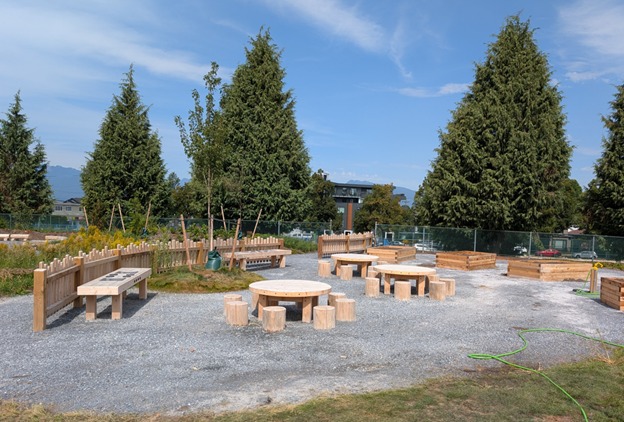
Figure 1 Grenfell Elementary Nature Park
Climate Readiness Study
The Sustainability Department is conducting a Climate Readiness Study to assess how its buildings and school grounds may be affected by future climate risks and to identify strategies for adapting to a changing climate. The study will evaluate potential impacts from hazards such as extreme heat, extreme rainfall, drought, sea level rise and poor air quality at school facilities, outdoor learning spaces, and operations. By examining vulnerabilities across the district, the VSB can prioritize investments and actions that improve the resilience of schools, protect the health and safety of students and staff, and ensure that educational facilities remain functional under future climate conditions. The findings will help guide long-term planning, infrastructure upgrades, and sustainability initiatives to prepare VSB schools for the challenges of a changing climate.